- English
- Español
- Português
- русский
- Français
- 日本語
- Deutsch
- tiếng Việt
- Italiano
- Nederlands
- ภาษาไทย
- Polski
- 한국어
- Svenska
- magyar
- Malay
- বাংলা ভাষার
- Dansk
- Suomi
- हिन्दी
- Pilipino
- Türkçe
- Gaeilge
- العربية
- Indonesia
- Norsk
- تمل
- český
- ελληνικά
- український
- Javanese
- فارسی
- தமிழ்
- తెలుగు
- नेपाली
- Burmese
- български
- ລາວ
- Latine
- Қазақша
- Euskal
- Azərbaycan
- Slovenský jazyk
- Македонски
- Lietuvos
- Eesti Keel
- Română
- Slovenski
- मराठी
- Srpski језик

Why Are Aluminium CNC Parts Revolutionizing Modern Manufacturing?
In today’s precision-driven manufacturing landscape, Aluminium CNC Parts play a pivotal role in industries ranging from aerospace and automotive to electronics and medical devices. CNC (Computer Numerical Control) machining utilizes automated systems guided by computer programs to produce components with exceptional accuracy and consistency. When aluminium is used as the base material, the combination of strength, lightness, and versatility elevates the overall performance of the end product.
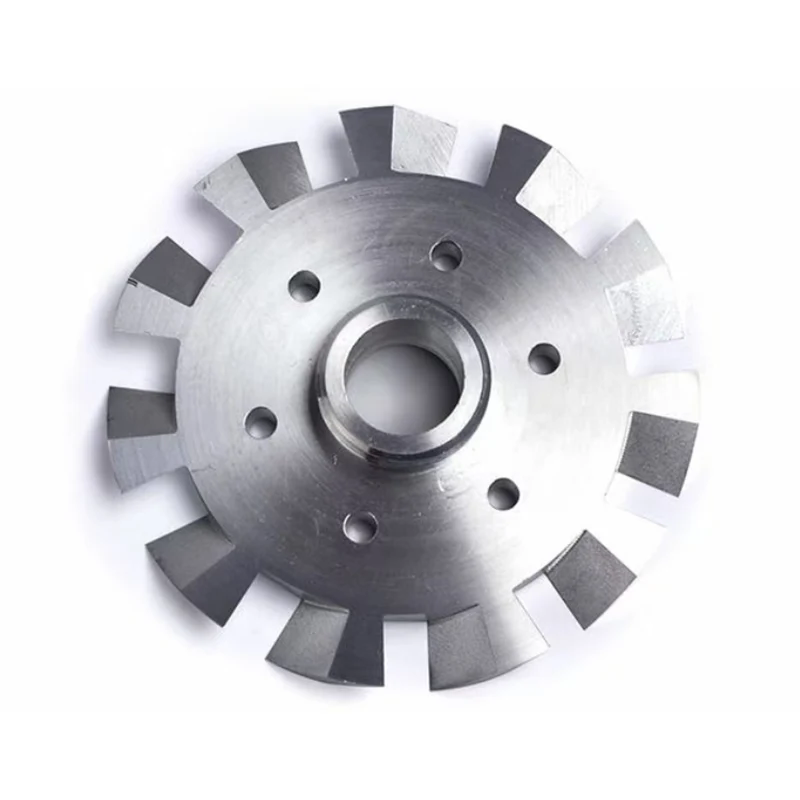
Aluminium is known for its excellent strength-to-weight ratio, superior machinability, and corrosion resistance. These properties make it the preferred choice for manufacturers who demand parts that can endure stress while maintaining low weight and dimensional stability. The process of CNC machining allows complex geometries to be crafted with sub-millimeter precision, enabling engineers to design intricate and efficient components that would be impossible with traditional manufacturing methods.
Why Aluminium CNC Parts Are the Preferred Choice in Industrial Applications
The growing popularity of aluminium CNC parts is rooted in both material science and manufacturing innovation. Aluminium alloys such as 6061, 7075, and 2024 have become the go-to options for engineers due to their exceptional performance characteristics. Below is a breakdown of typical technical parameters that highlight the material’s unique strengths:
| Parameter | Typical Value/Range | Description |
|---|---|---|
| Material Grade | 6061-T6 / 7075-T6 / 2024-T351 | Common industrial alloys used in CNC machining |
| Tensile Strength | 290–570 MPa | High load-bearing capacity for structural applications |
| Hardness (Brinell) | 60–150 HB | Ensures resistance against deformation |
| Density | 2.7 g/cm³ | Lightweight yet durable |
| Thermal Conductivity | 150–230 W/m·K | Ideal for heat dissipation in electronics |
| Corrosion Resistance | Excellent | Suitable for marine and outdoor environments |
| Machinability Index | 85–95% | Enables precise and cost-effective manufacturing |
These properties make aluminium CNC parts indispensable across sectors that require high strength, corrosion resistance, and design flexibility.
Advantages of Aluminium CNC Parts:
-
Precision Engineering – CNC machines can achieve tolerances as tight as ±0.005 mm, ensuring consistent quality even in mass production.
-
Enhanced Durability – Aluminium’s natural oxide layer prevents corrosion and extends component lifespan.
-
Lightweight Structure – Reduces overall product weight without sacrificing performance.
-
Excellent Heat Dissipation – Ideal for high-performance electronics and machinery.
-
Recyclability – Aluminium is 100% recyclable, making it a sustainable manufacturing choice.
-
Cost-Effective Production – High machinability minimizes tool wear and production time.
Industries such as automotive, aerospace, robotics, and renewable energy rely on aluminium CNC parts not only for performance but also for their contribution to sustainability goals. Manufacturers seeking to reduce carbon footprints find aluminium to be an ideal solution due to its energy-efficient recyclability.
How Aluminium CNC Parts Enhance Product Performance and Production Efficiency
a. Precision and Consistency in Every Cut
CNC machining ensures every aluminium part meets exact design specifications. Unlike manual milling, CNC programming allows for repeatable precision across thousands of units, eliminating the variability that can compromise performance. This repeatability is especially vital in aerospace and medical sectors, where even microscopic deviations can lead to system failures.
b. Design Flexibility and Complex Geometry
Advanced 5-axis CNC machines can create intricate shapes with undercuts, curves, and tight internal features. This capability allows designers to reduce material waste while achieving optimal structural integrity. Aluminium’s softness compared to steel also makes it ideal for complex machining without excessive tool wear.
c. Efficiency in Mass Production
CNC machining shortens production cycles while maintaining superior accuracy. Aluminium’s machinability ensures faster cutting speeds and reduced tool maintenance, resulting in lower production costs per unit. Furthermore, the digital workflow—from CAD design to final inspection—enhances traceability and quality assurance.
d. Surface Finishing and Aesthetic Value
After machining, aluminium parts can undergo a range of finishing processes, including anodizing, bead blasting, polishing, or powder coating. These treatments not only enhance appearance but also improve corrosion resistance and wear protection. The versatility in surface finishing allows manufacturers to customize products for both functional and aesthetic requirements.
e. Applications Across Industries
-
Automotive: Lightweight structural parts improve fuel efficiency and safety.
-
Aerospace: High strength-to-weight ratio ensures reliable performance in aircraft frames and components.
-
Electronics: Excellent thermal conductivity enables better heat management in housings and enclosures.
-
Medical Devices: Precision and biocompatibility ensure reliability in surgical tools and diagnostic equipment.
-
Renewable Energy: Corrosion-resistant aluminium parts are key components in wind turbines and solar frames.
What’s the Future of Aluminium CNC Parts in Manufacturing?
The future of aluminium CNC parts is defined by innovation, sustainability, and digital integration. With the rise of Industry 4.0, CNC machining is becoming smarter and more interconnected, driving efficiency across the supply chain.
a. Integration with Smart Manufacturing
AI-powered CNC systems are now capable of self-optimizing cutting speeds, predicting tool wear, and ensuring consistent quality. This intelligent automation significantly reduces downtime while improving material utilization.
b. Sustainability Through Recycling and Lightweighting
As environmental concerns intensify, aluminium’s recyclability is becoming one of its most valuable attributes. More manufacturers are adopting closed-loop recycling systems, where scrap aluminium is reprocessed and reused within the same facility. This not only reduces waste but also cuts energy consumption by up to 95% compared to producing new aluminium from raw ore.
c. Advancements in Alloy Development
New high-performance aluminium alloys are being engineered to offer greater strength, heat resistance, and machinability. These innovations enable the production of CNC parts suitable for even more demanding environments such as aerospace propulsion and electric vehicle components.
d. Hybrid Manufacturing and 3D Integration
The combination of CNC machining with additive manufacturing (3D printing) is opening new possibilities. Manufacturers can now pre-form complex shapes using 3D printing and finish them with CNC machining for precision tolerances and surface smoothness—combining the best of both worlds.
Frequently Asked Questions (FAQs)
Q1: What factors should be considered when selecting aluminium alloys for CNC machining?
A: The choice of aluminium alloy depends on the intended application. For general-purpose machining, 6061-T6 offers an excellent balance of strength and machinability. For high-stress applications, 7075-T6 provides greater tensile strength, while 2024-T351 is ideal for aerospace use due to its fatigue resistance. It’s essential to consider the required mechanical properties, corrosion resistance, and surface finish before selecting an alloy.
Q2: How does aluminium CNC machining compare to other materials like stainless steel or titanium?
A: Aluminium is much lighter and easier to machine than stainless steel or titanium, which means lower production costs and faster turnaround times. While steel and titanium may offer higher tensile strength, aluminium provides sufficient durability for most industrial applications with the added benefit of corrosion resistance and excellent heat conductivity. This makes aluminium CNC parts the preferred choice for manufacturers prioritizing weight reduction and efficiency.
Conclusion: The Precision and Promise of Aluminium CNC Parts
Aluminium CNC parts represent the perfect fusion of engineering precision, material science, and sustainability. Their adaptability across diverse industries demonstrates how innovation in CNC machining continues to shape the future of manufacturing. With advancements in automation, AI integration, and sustainable alloy development, aluminium CNC machining will remain at the forefront of modern production technologies for decades to come.
At Mudebao, the commitment to precision engineering and sustainable solutions defines every product. By utilizing advanced CNC technologies and premium-grade aluminium alloys, Mudebao delivers components that meet the highest standards of performance and reliability.
For more information or to explore customized CNC solutions, contact us today and discover how aluminium CNC parts can elevate your next project.