- English
- Español
- Português
- русский
- Français
- 日本語
- Deutsch
- tiếng Việt
- Italiano
- Nederlands
- ภาษาไทย
- Polski
- 한국어
- Svenska
- magyar
- Malay
- বাংলা ভাষার
- Dansk
- Suomi
- हिन्दी
- Pilipino
- Türkçe
- Gaeilge
- العربية
- Indonesia
- Norsk
- تمل
- český
- ελληνικά
- український
- Javanese
- فارسی
- தமிழ்
- తెలుగు
- नेपाली
- Burmese
- български
- ລາວ
- Latine
- Қазақша
- Euskal
- Azərbaycan
- Slovenský jazyk
- Македонски
- Lietuvos
- Eesti Keel
- Română
- Slovenski
- मराठी
- Srpski језик

How Do Wear Plates Transform Industrial Durability and Future Performance?
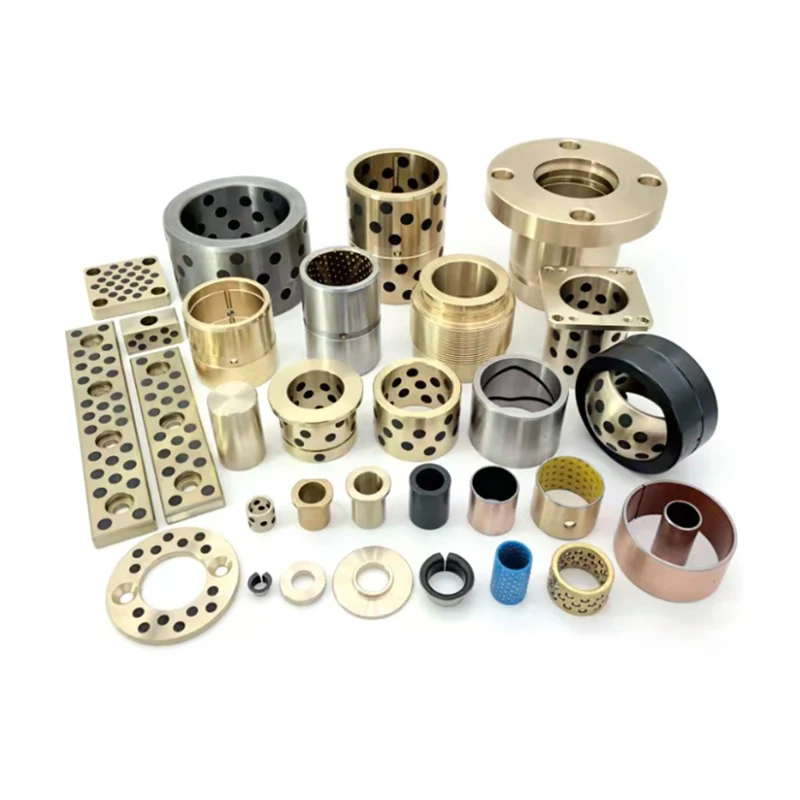
Wear plates are engineered protective components designed to resist abrasion, impact, heat, and chemical corrosion in demanding industrial environments. They function as sacrificial surfaces installed on equipment to extend service life, reduce operational downtime, and optimize long-term maintenance costs. Industries such as mining, construction, steel processing, cement manufacturing, and bulk material handling rely heavily on wear plates to counter extreme mechanical wear.
Key Performance Parameters of Wear Plates
The professional-grade attributes of wear plates depend on their mechanical composition, surface treatment, and structural design. The following table summarizes standard parameters used to evaluate industrial-grade wear plates:
| Parameter | Typical Specification Range | Functionality Description |
|---|---|---|
| Material Grade | High-chromium alloys, hardened steel, carbide overlays | Determines abrasion resistance and impact tolerance |
| Hardness (HRC) | 55–65 HRC | Higher hardness provides stronger wear resistance |
| Tensile Strength | 1200–1600 MPa | Supports load-bearing conditions |
| Thickness Options | 3 mm – 60 mm | Enables application versatility |
| Surface Treatment | Heat treatment, carbide overlay, quenching techniques | Enhances durability and lifespan |
| Operating Temperature Range | –40°C to 600°C | Allows function in high-heat or cryogenic environments |
| Impact Resistance Rating | Medium to extremely high, depending on alloy composition | Determines suitability for mining, crushing, and heavy loading applications |
| Corrosion Resistance Level | Medium to high | Ensures performance in chemical or moisture-exposed operations |
These parameters guide procurement decisions, ensuring end users select the correct wear plate type based on abrasion severity, operational temperature, and impact conditions.
How Do Wear Plates Deliver Reliable Mechanical Strength and Operational Efficiency?
Wear plates operate as a high-strength armor layer in machinery, shielding structural components from abrasion caused by rocks, minerals, concrete, steel scrap, grain, and other materials. The mechanical principles behind wear plates rely on controlled hardness, microstructure engineering, and metallurgical stability.
How Surface Hardness Enhances Performance
High hardness is essential for resisting surface deformation. Advanced wear plates utilize:
-
Hardened martensitic steel microstructures
-
High-chromium carbide overlays
-
Heat-treated alloy compositions
-
Controlled quenching and tempering cycles
These processes create a tough, uniform surface capable of withstanding sliding abrasion, gouging, and particle impact.
How Wear Plates Reduce Industrial Cost
Effective wear plate application provides measurable economic benefits:
-
Lower maintenance frequency
-
Reduced machine downtime
-
Extended component lifespan
-
Lower spare parts replacement cost
-
Improved operational continuity
How Wear Plates Improve Heavy-Load Handling
In equipment such as crushers, grinders, dump truck bodies, excavator buckets, chutes, and conveyors, wear plates reduce structural stress by absorbing mechanical forces. Their toughness ensures they maintain integrity even during repetitive heavy impact cycles.
How Selection of Wear Plates Influences Industry Performance
Several industries benefit from tailored wear plate design:
-
Mining: Protection against abrasive rocks and ore
-
Cement: Resistance to continuous grinding and powder friction
-
Aggregate Processing: Enhanced lifetime for impact zones
-
Steel Mills: Heat and slag-resistant surface armor
-
Agriculture: Soil abrasion protection
-
Construction: Extended durability for buckets and mixers
The right combination of thickness, hardness, and material grade significantly affects throughput, operational safety, and equipment stability.
Why Are Wear Plates Becoming a Strategic Technology for Future Industrial Development?
Future industrial applications demand higher durability, lighter components, faster equipment cycles, and lower energy consumption. Wear plate technology is evolving toward advanced coatings, hybrid metal composites, and AI-assisted material engineering.
How Innovation Shapes the Future of Wear Plates
Emerging trends include:
a. Hybrid Composite Wear Plates
Multi-layered composites combining:
-
Carbide overlay
-
Nickel-based alloys
-
Nano-structured elements
These compositions create plates that manage both abrasion and high-temperature performance simultaneously.
b. Lightweight Ultra-High-Strength Alloys
Industries seek materials that reduce equipment weight while improving mechanical strength. Advanced martensitic steels and hybrid alloys offer lightweight solutions with higher tensile performance.
c. Temperature-Adaptive Wear Plates
Future wear plates will rely on microstructural stability, maintaining hardness at elevated temperatures and reducing softening during continuous heat exposure.
d. Improved Forming and Machining Capabilities
Manufacturers aim to produce wear plates that are easier to:
-
Cut
-
Weld
-
Bend
-
Shape
This increases installation efficiency and reduces assembly limitations.
e. Long-Term Sustainability
New alloy formulations minimize material waste and reduce the environmental footprint of heavy-duty equipment components.
How Wear Plates Influence Global Industrial Expansion
Wear plates have become crucial for countries investing in mining, steel production, construction, and advanced manufacturing. As global demand increases, industries require materials that withstand high-stress environments while supporting efficient production cycles.
What Is the Practical Buying Guide for Wear Plates and How Can Industries Optimize Application?
Selecting the right wear plate type involves analyzing operational demands, material flow characteristics, and abrasive patterns. Application-specific evaluation ensures maximum equipment longevity.
How to Choose the Right Wear Plate
-
Identify wear mechanisms: sliding abrasion, impact, corrosion, or heat exposure.
-
Match hardness to wear severity: higher hardness is ideal for sliding abrasion; moderate hardness suits impact zones.
-
Evaluate thickness: thicker plates ensure durability but may add weight.
-
Assess weldability and machinability: essential for custom fabrication.
-
Check environmental factors: moisture, corrosive chemicals, and temperature.
-
Confirm compatibility with equipment geometry: especially for curved surfaces and bucket assemblies.
How Installation Quality Impacts Longevity
Proper installation maintains structural stability:
-
Precision welding
-
Correct bolt torque
-
Uniform surface alignment
-
Proper heat control during welding
-
Effective surface preparation
Poor installation can reduce wear plate lifespan even if the material grade is high.
Common Application Areas
-
Bucket liners
-
Crusher walls
-
Bins and hoppers
-
Mixer drums
-
Conveyor transfer points
-
Dump truck bodies
-
Bulldozer blades
-
Chutes and impact plates
Each application demands specific performance criteria, reinforcing the importance of material evaluation.
Frequently Asked Questions About Wear Plates
Q1: How long do wear plates typically last?
The lifespan of wear plates depends on operational environment, hardness rating, and material grade. In high-abrasion mining environments, plates may last several months under extreme usage, while in moderate conditions such as agricultural equipment, wear plates can function effectively for multiple years. Proper installation, correct thickness selection, and timely maintenance greatly extend lifespan.
Q2: How should wear plates be maintained to ensure optimal performance?
Maintenance involves regular inspection for surface cracking, thickness loss, and heat damage. Cleaning material buildup prevents intensified abrasion, while early replacement of worn areas prevents structural weakening. Ensuring the weld seams remain intact and monitoring vibration levels also contributes to extended service life and equipment stability.
How Do Advanced Wear Plates Support Long-Term Industrial Success?
Wear plates serve as the backbone of heavy-duty equipment protection, enabling industries to maintain steady output while reducing mechanical failures. Their engineered hardness, impact resistance, thermal stability, and corrosion protection make them indispensable across mining, construction, steel production, and material handling.
With continuous advancements in alloys, coating technologies, and multi-layer construction, wear plates are evolving into high-performance components that support next-generation industrial efficiency. As companies seek durable, cost-effective solutions, selecting reliable suppliers becomes strategically important.
Mudebao provides engineering-grade wear plates designed for high-stress environments, offering durability, stability, and professionally optimized configurations. For project requirements, technical consultation, or customized material recommendations, contact us to obtain tailored solutions aligned with demanding industrial applications.