- English
- Español
- Português
- русский
- Français
- 日本語
- Deutsch
- tiếng Việt
- Italiano
- Nederlands
- ภาษาไทย
- Polski
- 한국어
- Svenska
- magyar
- Malay
- বাংলা ভাষার
- Dansk
- Suomi
- हिन्दी
- Pilipino
- Türkçe
- Gaeilge
- العربية
- Indonesia
- Norsk
- تمل
- český
- ελληνικά
- український
- Javanese
- فارسی
- தமிழ்
- తెలుగు
- नेपाली
- Burmese
- български
- ລາວ
- Latine
- Қазақша
- Euskal
- Azərbaycan
- Slovenský jazyk
- Македонски
- Lietuvos
- Eesti Keel
- Română
- Slovenski
- मराठी
- Srpski језик

How Can Pillars and Wear Plates Improve Mold Performance and Extend Tool Life
In modern precision mold manufacturing, every component inside a mold system plays an important role in ensuring accuracy, stability, and durability. Pillars and Wear Plates are essential mold components designed to support precise guidance, reduce friction, and protect key parts from premature damage. As a professional mold component supplier, Mudebao provides reliable Pillars and Wear Plates solutions that help manufacturers improve mold efficiency, maintain consistent production quality, and reduce maintenance costs.
This article explains the importance of these components, their working principles, material advantages, applications, and how selecting the right solution can create long-term value for mold builders and manufacturers.
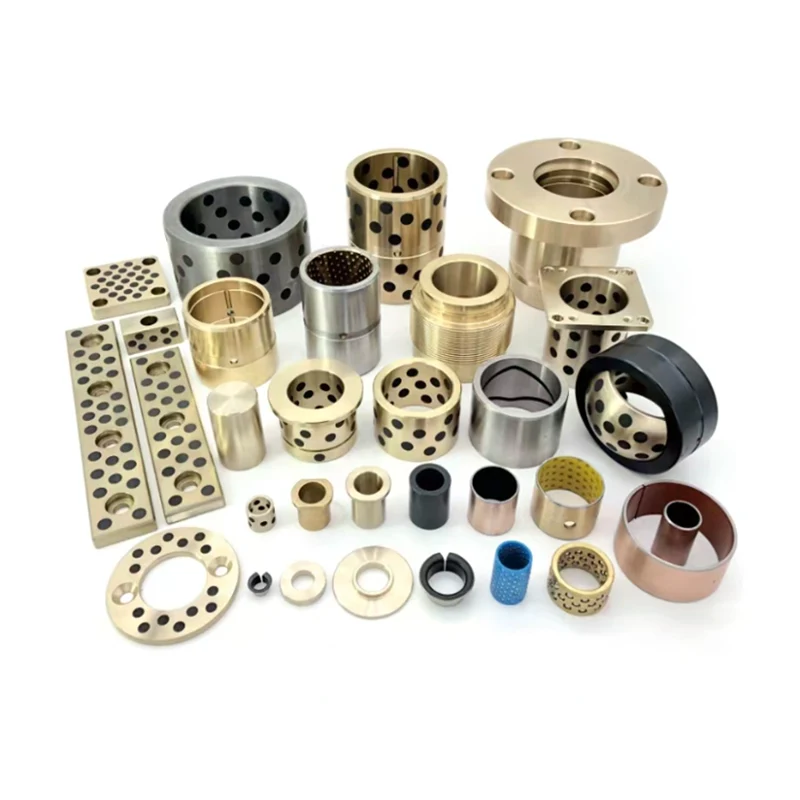
Table of Contents
- Why Are Pillars and Wear Plates Important in Mold Manufacturing?
- How Do Pillars and Wear Plates Work Together?
- What Advantages Do High-Quality Pillars and Wear Plates Provide?
- Which Materials Are Used for Durable Pillars and Wear Plates?
- Where Are Pillars and Wear Plates Commonly Applied?
- How Should You Select the Right Pillars and Wear Plates?
- Frequently Asked Questions About Pillars and Wear Plates
Why Are Pillars and Wear Plates Important in Mold Manufacturing?
Precision is one of the most important requirements in mold production. During continuous operation, molds experience repeated opening, closing, sliding, and high-pressure forming processes. Without reliable guiding and protective components, even small alignment errors can affect product quality and increase production downtime.
Pillars and Wear Plates are designed to solve these challenges. Mold pillars provide accurate positioning and guiding functions between mold plates, while wear plates protect sliding surfaces from direct friction and mechanical impact. Together, they create a stable operating environment that improves mold performance.
In high-volume manufacturing industries such as automotive parts, electronic components, household appliances, and precision plastic products, mold components must maintain excellent performance over thousands or even millions of production cycles. Choosing durable pillars and wear-resistant plates helps manufacturers reduce replacement frequency and achieve more stable production.
- Improve mold alignment accuracy during operation
- Reduce friction between moving mold components
- Protect expensive mold structures from damage
- Extend overall mold service life
- Minimize production interruptions caused by component failure
How Do Pillars and Wear Plates Work Together?
A mold system consists of multiple precision parts that must operate together smoothly. Mold pillars act as guiding elements that ensure accurate movement between fixed and moving plates. They help maintain proper positioning and prevent unwanted displacement during mold closing.
Wear plates, on the other hand, are installed in areas where sliding contact occurs. They absorb mechanical stress and reduce direct metal-to-metal contact, preventing excessive wear on critical mold surfaces.
When pillars and wear plates work together, they create a balanced system that improves mold stability. The pillars maintain precision, while wear plates provide protection and durability. This combination is especially valuable for molds operating under high speed, high pressure, and long production cycles.
| Component | Main Function | Key Benefits |
|---|---|---|
| Pillars | Provide accurate guidance and positioning between mold plates | Improves alignment accuracy and reduces operational errors |
| Wear Plates | Protect sliding surfaces from friction and impact | Extends mold life and reduces maintenance requirements |
| Pillars & Wear Plates System | Creates stable and durable mold movement | Enhances production efficiency and consistency |
What Advantages Do High-Quality Pillars and Wear Plates Provide?
Selecting high-quality mold components directly influences manufacturing efficiency. Poor-quality guiding and wear parts may lead to inaccurate positioning, uneven wear, and unexpected downtime. Premium Pillars and Wear Plates provide several advantages for professional mold applications.
Improved Precision and Stability
Precision machining ensures that pillars maintain accurate dimensions and smooth movement. This helps molds operate consistently and reduces defects caused by misalignment.
Better Wear Resistance
Wear plates are manufactured to withstand repeated friction. Their excellent wear resistance allows molds to maintain performance even under demanding working conditions.
Lower Maintenance Costs
Durable components reduce the need for frequent replacement and repairs. Manufacturers can save time and resources while maintaining continuous production.
Enhanced Production Efficiency
Stable mold operation leads to faster production cycles, improved product consistency, and fewer interruptions. This makes high-quality mold components an important investment for long-term manufacturing success.
Which Materials Are Used for Durable Pillars and Wear Plates?
The material selection of mold components directly determines their service life, mechanical performance, and resistance to working conditions. High-quality Pillars and Wear Plates usually require materials with excellent hardness, wear resistance, and dimensional stability to maintain reliable performance during long-term operation.
For mold pillars, manufacturers commonly choose hardened steel materials because they provide strong mechanical strength and excellent resistance to deformation. Precision grinding and surface treatment further improve the smoothness and durability of the guiding system.
Wear plates require materials that can withstand continuous friction and impact. Hardened tool steel, alloy steel, and other wear-resistant materials are often selected because they maintain stable performance under repeated sliding conditions.
| Material Type | Common Application | Performance Characteristics |
|---|---|---|
| Hardened Steel | Mold pillars and precision guiding components | High strength, excellent hardness, and good dimensional stability |
| Alloy Steel | Heavy-duty wear plates and industrial molds | Strong wear resistance and impact resistance |
| Heat-Treated Steel | High-frequency production molds | Improved durability and longer service performance |
In addition to material selection, manufacturing accuracy is equally important. Precision machining, proper heat treatment, and strict quality inspection help ensure that each component meets the requirements of modern mold production.
Where Are Pillars and Wear Plates Commonly Applied?
Because of their importance in maintaining mold accuracy and durability, Pillars and Wear Plates are widely used across different industries that depend on precision tooling systems. These components are especially valuable in environments where molds need to operate continuously with minimal downtime.
- Automotive Manufacturing: Used in stamping molds, injection molds, and forming tools to maintain precision during large-scale production.
- Electronic Component Production: Helps achieve accurate molding results for small and complex parts requiring strict dimensional control.
- Plastic Product Manufacturing: Supports stable mold movement and improves the consistency of finished products.
- Household Appliance Industry: Provides reliable performance for molds used in high-volume appliance component production.
- Precision Machinery Manufacturing: Ensures stable operation of customized molds and tooling systems.
Whether used in simple molds or complex multi-stage tooling systems, reliable guiding and wear protection components are essential for maintaining production efficiency.
How Should You Select the Right Pillars and Wear Plates?
Choosing suitable mold components requires careful consideration of application requirements, working environment, and production goals. The right selection can significantly improve mold reliability and reduce long-term operating costs.
Before purchasing Pillars and Wear Plates, manufacturers should evaluate several important factors:
- Dimensional Accuracy: Ensure that component sizes match the mold design requirements to achieve precise installation and smooth operation.
- Material Quality: Select materials according to production intensity, friction conditions, and expected service life.
- Surface Treatment: Proper surface finishing improves wear resistance and reduces friction during movement.
- Manufacturing Capability: Choose suppliers with professional machining technology and strict quality control systems.
- Customization Options: For special mold structures, customized solutions can provide better compatibility and performance.
A reliable supplier does more than provide individual parts. Professional technical support, accurate production processes, and consistent quality standards help customers achieve better results throughout the entire mold lifecycle.
Why Choose Mudebao for Pillars and Wear Plates Solutions?
Mudebao focuses on providing precision mold components designed for stable performance and long-term reliability. With professional manufacturing experience and strict quality management, the company delivers components that meet the requirements of modern mold industries.
From material selection and precision processing to quality inspection, every production step is carefully controlled to ensure product consistency. Mudebao understands that mold manufacturers need components that can reduce downtime, improve efficiency, and support continuous production.
By combining advanced machining technology with practical application experience, Mudebao helps customers build more durable and efficient mold systems with dependable Pillars and Wear Plates.
Frequently Asked Questions About Pillars and Wear Plates
What is the main purpose of Pillars and Wear Plates?
Pillars provide accurate guidance and positioning between mold plates, while wear plates protect sliding surfaces from friction and mechanical damage. Together, they improve mold stability and extend service life.
How can Pillars and Wear Plates improve mold performance?
They reduce alignment problems, minimize friction, protect critical mold structures, and help maintain consistent production quality during long operating cycles.
What factors affect the service life of Pillars and Wear Plates?
Material quality, machining accuracy, surface treatment, operating conditions, lubrication, and maintenance practices all influence component durability.
Can Pillars and Wear Plates be customized for special molds?
Yes. Professional manufacturers can provide customized dimensions, materials, and processing options according to specific mold designs and production requirements.
How often should mold wear components be replaced?
Replacement frequency depends on workload, production volume, material hardness, and operating environment. Regular inspection helps identify wear conditions and prevent unexpected failures.
Conclusion
Reliable mold components are essential for achieving precision, efficiency, and long-term production stability. High-quality Pillars and Wear Plates provide accurate guidance, excellent wear protection, and improved mold durability across various industries. By selecting professionally manufactured components, companies can reduce maintenance costs and maintain consistent product quality.
If you are looking for dependable mold components with excellent precision and durability, Mudebao is ready to provide professional solutions tailored to your requirements. Please contact us today to discuss your mold component needs and discover how our Pillars and Wear Plates can support your manufacturing success.